
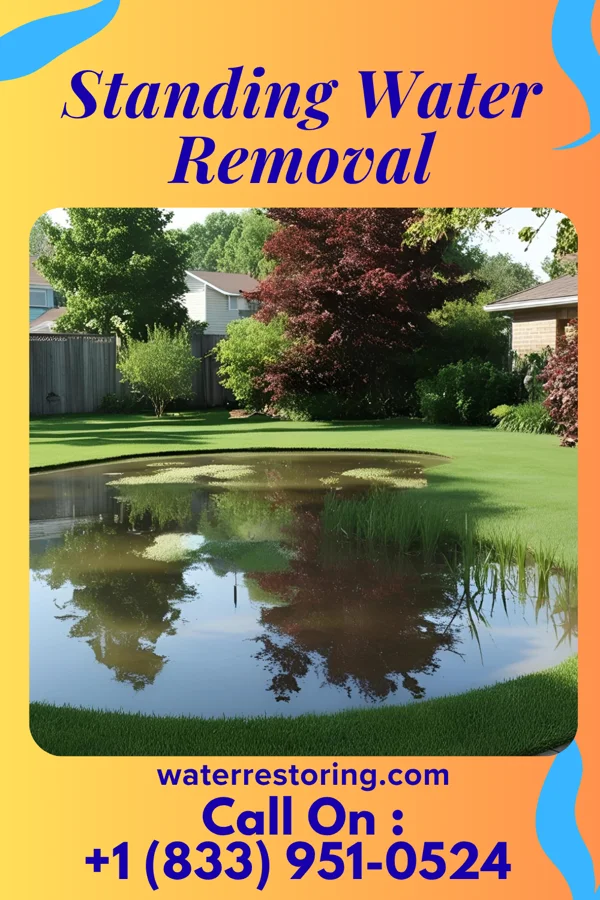
Bear Grass Standing Water Drivers
Water damage in Bear Grass tends to cluster in predictable windows because of the local climate. In Bear Grass, North Carolina, heavy rainfall and slow-moving storms often lead to localized flooding, particularly in low-lying areas near streams and rivers. Poor drainage systems in rural neighborhoods can cause water to pool around homes, especially during spring thaws or hurricane season. This results in standing water that can seep into basements and crawl spaces. A close second is Leaking septic tanks and malfunctioning sump pumps are common secondary causes of water damage in Bear Grass. Additionally, downed power lines and ruptured water mains during severe weather events can introduce contaminants into standing water, increasing the risk of secondary damage and health hazards..
Bear Grass experiences a humid subtropical climate with frequent thunderstorms and heavy rainfall, which increases the likelihood of sudden water intrusion. The region's topography, with many rolling hills and valleys, can trap water, leading to prolonged exposure and greater damage potential.
Bear Grass experiences a humid subtropical climate with frequent thunderstorms and heavy rainfall, which increases the likelihood of sudden water intrusion. The region's topography, with many rolling hills and valleys, can trap water, leading to prolonged exposure and greater damage potential. The dominant local driver is In Bear Grass, North Carolina, heavy rainfall and slow-moving storms often lead to localized flooding, particularly in low-lying areas near streams and rivers. Poor drainage systems in rural neighborhoods can cause water to pool around homes, especially during spring thaws or hurricane season. This results in standing water that can seep into basements and crawl spaces., with Leaking septic tanks and malfunctioning sump pumps are common secondary causes of water damage in Bear Grass. Additionally, downed power lines and ruptured water mains during severe weather events can introduce contaminants into standing water, increasing the risk of secondary damage and health hazards. showing up as the next most common cause. Damage builds in stages. Spread. Absorption. Microbial growth. Structural compromise. Every stage you pass through adds to the final bill.